
Nutrition · Energy
Whole Food Patterns and the Male Energy Cycle: A Week of Observations
Nathan Lim
·
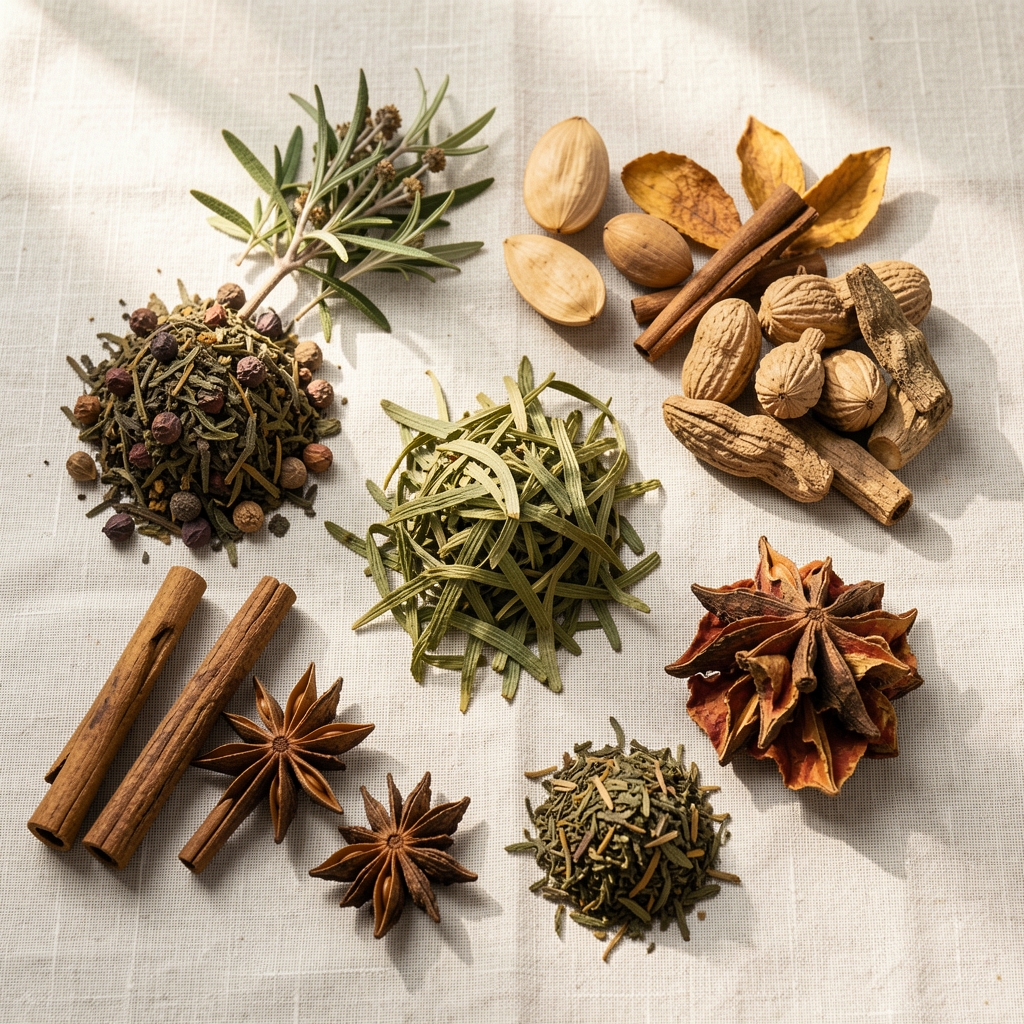
The practice of incorporating botanical preparations into everyday habits is as old as the peninsular trade routes themselves. In Malaysia, the working vocabulary of plant-based wellness extends from the domestic kitchen to the morning pasar, passing through generations without a written instruction manual. This editorial review examines how several of those traditional practices intersect with contemporary wellness habit awareness for active men.
Malaysian traditional wellness practices — broadly described within the frame of Perubatan Melayu Tradisional and Chinese jamu-adjacent herbal customs — have developed a substantial observational record over centuries. That record is not standardised in the way that contemporary nutritional science is, but it represents a significant volume of documented human observation. The editorial perspective here approaches it not as a competing framework to published science, but as a parallel documentation tradition worth acknowledging.
Several botanicals appear consistently across generations of Malaysian household usage in contexts associated with daily energy rhythm and recovery awareness in men. Among the most frequently encountered in local wellness literature and household practice: Tongkat Ali (Eurycoma longifolia), Misai Kucing (Orthosiphon stamineus), and various preparations of ginger (Zingiber officinale) and turmeric (Curcuma longa). Each of these has also attracted attention in independent nutritional and botanical research literature, though the editorial record here does not constitute a recommendation of any kind.
The editorial framing is important: this review documents the existence and persistence of these practices, their presence in traditional wellness literature, and the areas where published botanical research intersects with that traditional record. It is a documentation exercise, not a directive.
Eurycoma longifolia — known locally as Tongkat Ali or pasak bumi in neighbouring Indonesian traditions — occupies a distinct position in Malaysian traditional wellness culture. Its roots have been used in household preparations for generations, typically as a tea or tincture, and its presence in local wellness conversations predates commercial interest by several centuries.
The published botanical literature on Eurycoma longifolia is more substantial than for most Malaysian traditional plants. A 2012 review published in Evidence-Based Complementary and Alternative Medicine examined the plant's documented bioactive compounds, including quassinoids, and noted associations with physical endurance observations in animal and small human study populations. A 2021 follow-on review in Phytomedicine similarly reviewed the botanical record and noted areas of interest in relation to stress awareness and physical recovery habits in adult males.
The editorial observation here is one of alignment between traditional practice and emerging research interest — not causation, and not a claim about personal use or outcome. Readers considering any change to daily habits, including the addition of botanical preparations, are encouraged to speak with a qualified health professional before doing so.
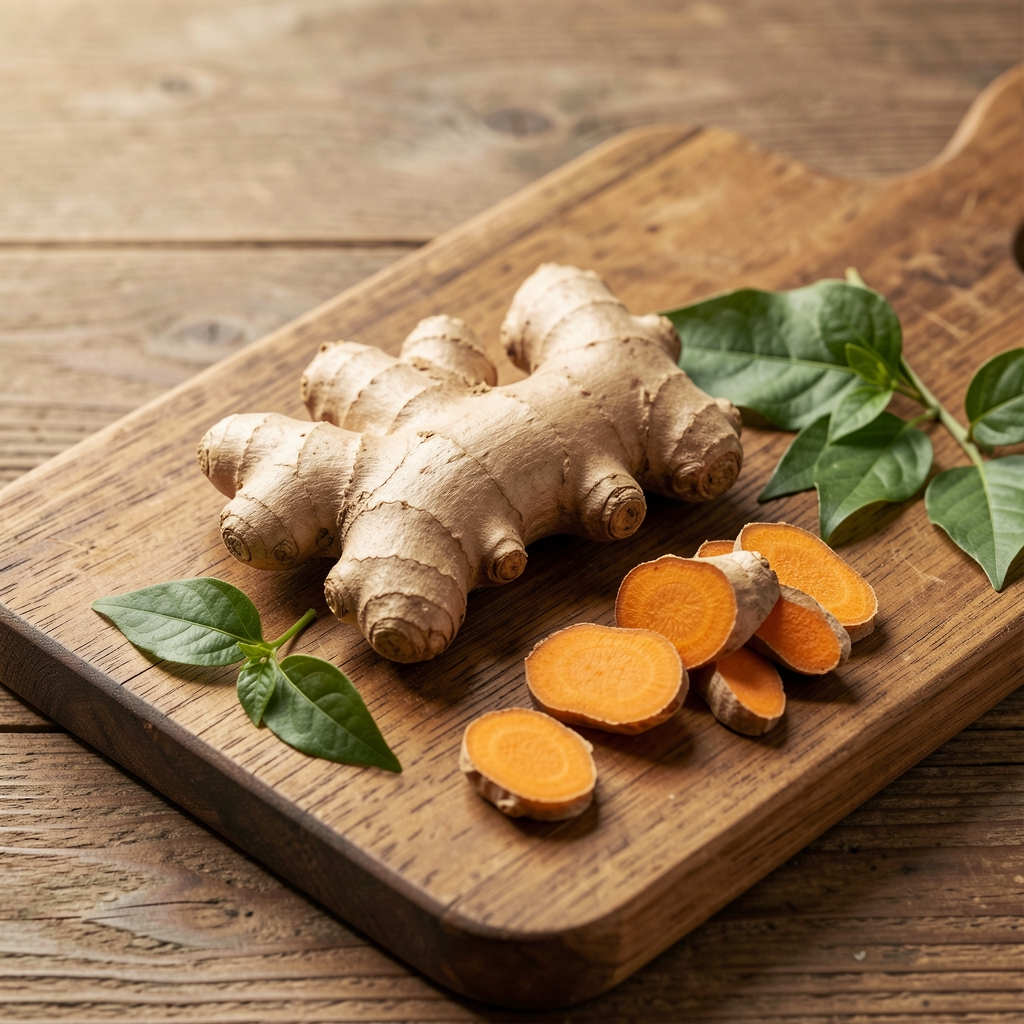
Ginger and turmeric occupy a position in Malaysian daily life that is categorically different from more specialised botanical preparations. They are cooking staples, present in the majority of traditional Malaysian dishes. Their inclusion in daily nutrition is, for most Malaysians, not a wellness decision at all — it is a culinary default. The wellness awareness around them is, in this sense, embedded in the food culture rather than layered on top of it.
Curcumin, the primary bioactive compound in turmeric, has attracted significant research attention in recent years. A 2021 systematic review published in Nutrients examined its associations with markers of antioxidant activity and noted its presence as one of the more studied botanical compounds in the published wellness literature. Ginger's research record similarly reflects interest in its association with muscle recovery awareness following physical output, documented in several small intervention studies.
For men following an active lifestyle in Malaysia, the practical observation is a simple one: the everyday dietary inclusion of ginger and turmeric — via traditional cooking, herbal teas, or prepared beverages — represents a low-effort, culturally embedded practice that contributes to nutritional variety. The traditional botanical practices observed in Malaysian wellness culture place both plants firmly in the everyday recovery awareness context.
"The traditional botanical record in Malaysia is not a supplement aisle — it is a kitchen shelf, a morning habit, a grandmother's preparation that arrived at the table without a label."
— Adam Rahman, Dralven Notebook, February 2026
Orthosiphon stamineus — Misai Kucing in Malay, or cat's whiskers in English — is a distinctly Malaysian and Southeast Asian botanical that has been used in traditional herbal tea preparations across the region. Its presence in Malaysian household wellness practice is well-documented in ethnobotanical literature, with consistent associations noted in traditional usage records around fluid balance and everyday wellbeing.
Published botanical research on Misai Kucing is less extensive than for Eurycoma longifolia or curcumin, but a number of studies have examined its composition and noted the presence of flavonoids and phenolic compounds. The traditional use context positions it primarily as a daily tea, consumed warm in the morning — a practice that simultaneously addresses hydration habits and botanical consumption within a single culturally familiar ritual.
For active men in Malaysia, the editorial observation is that Misai Kucing tea functions as a hydration vehicle with documented traditional usage — its place in the morning routine is less about active botanical intervention and more about the cumulative effect of a consistent hydration habit built around a culturally embedded practice.
A recurring observation in reviewing both the traditional Malaysian botanical record and the corresponding published wellness research is the significance of context. Botanical preparations consumed as part of a broader daily habit — a morning tea ritual, a kitchen-integrated preparation practice, a family meal — appear to integrate more consistently into sustained habit patterns than those consumed as isolated supplements outside of any established routine.
This observation aligns with what habit science researchers describe as the role of contextual cues in habit formation. A botanical preparation embedded in an existing morning routine — ginger in the morning porridge, turmeric in the evening rice preparation, Misai Kucing tea at the breakfast table — becomes part of an established behavioural script rather than a separate daily decision. The consistency of the habit is maintained by the routine context, not by a deliberate act of supplementation.
The editorial conclusion from this review is a measured one: traditional Malaysian botanical practices, as documented in wellness literature and observed in household usage, represent an interesting intersection between cultural habit, nutritional variety, and contemporary wellness habit awareness. The persistence of these practices across generations is itself a form of documented human observation. Whether that observation translates to individual benefit is a question best explored in consultation with a qualified health professional, not in an editorial publication.
Editorial note: Articles published on Dralven Notebook are editorial in nature and reflect the writers' observations on everyday wellness habits, natural lifestyle practices, and daily routines for active men. The content is not intended as professional advice and does not replace consultation with a qualified health professional. Readers with specific health concerns are encouraged to speak with a qualified professional.

Adam Rahman is a contributing writer at Dralven Notebook. His editorial work focuses on traditional Malaysian wellness practices, botanical awareness, and the intersection of cultural habit and contemporary nutritional observation in the men's wellness space.
More from Dralven Notebook →